Roofing work in Brea
Eight kinds of job, one form. The answers decide which contractors see your request — a flat-roof crew and a tile crew are not the same trade.
Get on the list
No company gets your details until you say yes to it by name.
You are on the list.
No provider in Brea is taking requests through this service yet. We are lining them up, and yours is kept until one can.
- Nobody gets your details yet. Your request stays with us and is not passed to any company.
- One email when someone can help. When a provider covering your area can take it on, we email you once and ask whether you want that company, by name, to contact you.
- Deleted after 90 days. If nobody can take it on, or you do not say yes, your contact details are deleted 90 days after your request.
- You decide, or you do not. There is nothing to cancel and nothing to pay us.
Nobody will call you about this request unless you say yes to a company by name.
Why Brea roofs fail the way they do
Brea holds about 47,844 residents in Orange County. Houses sit on more land than they would in a city, which usually means more roof area per house than the averages assume.
The thing roofers see most often in this market is the autumn offshore winds, which find anything already loose. Dry offshore wind lifts material that damp coastal air had been holding down. Most wind losses here happen on a handful of nights a year.
Close behind that: shaded slopes that never really dry out. Damp that arrives every morning and leaves by lunchtime is worse for a roof than rain, because nothing ever fully dries between one and the next.
A contractor who works this area will already know all of it. That is most of the argument for using a local one.
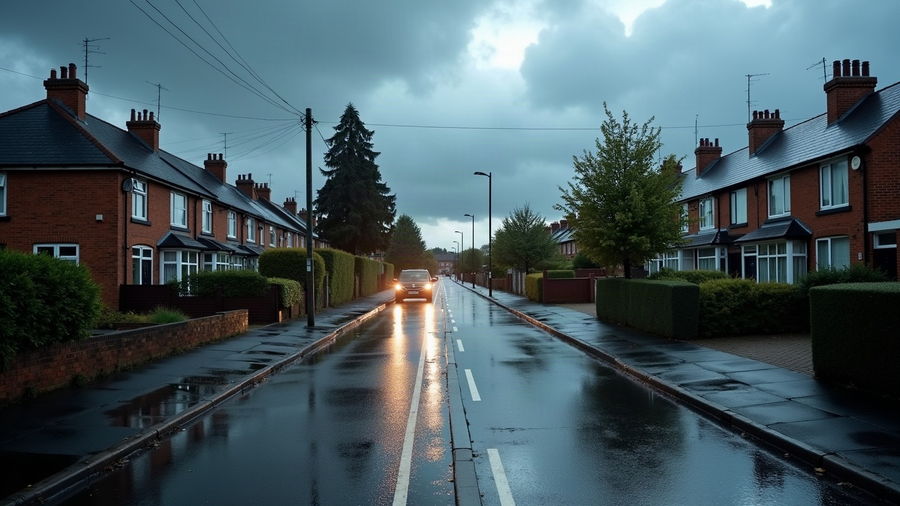
Illustrative photographs of roofing work in general. Not photographs of jobs arranged through this site.
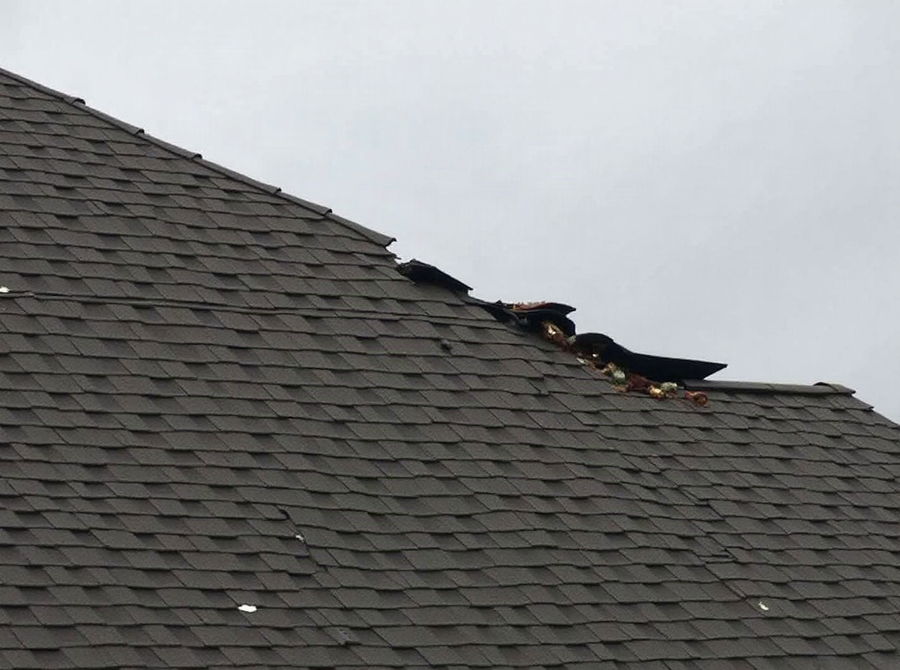
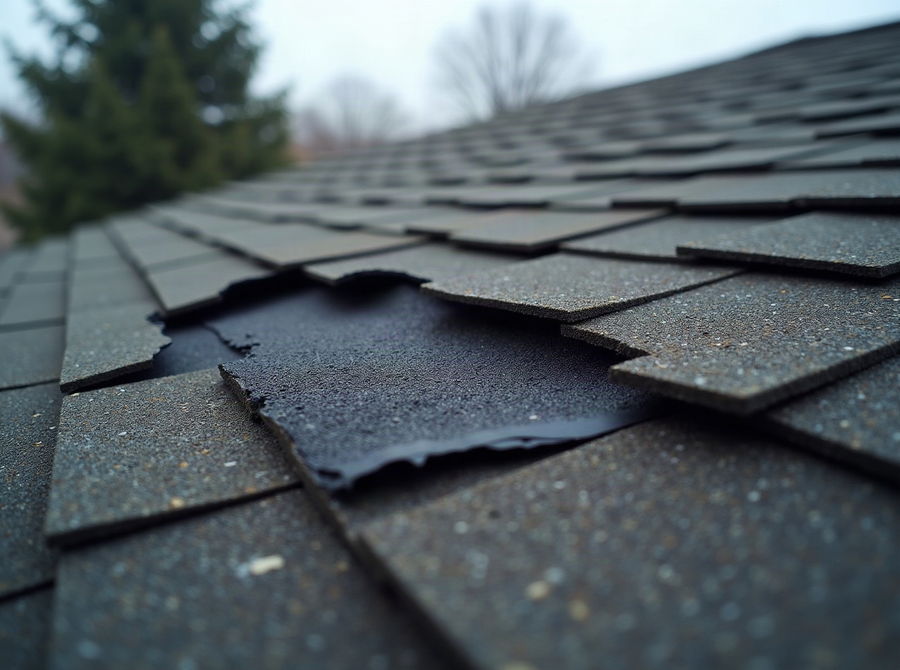
Illustrative photographs of roofing work in general. Not photographs of jobs arranged through this site.
Offshore wind events
Dry offshore wind lifts material that damp coastal air had been holding down. Most wind losses here happen on a handful of nights a year.
Marine layer damp and slow drying
Damp that arrives every morning and leaves by lunchtime is worse for a roof than rain, because nothing ever fully dries between one and the next.
Ember and wildfire exposure
Most houses lost to wildfire are lost to embers arriving ahead of the fire, not to the fire itself.
Start with a free estimate
No cost. We email you once when a provider near you can take it on.